
Smart Educational Solutions: How Interactive Displays and Educational Robots Support the Future of Education in Saudi Arabia
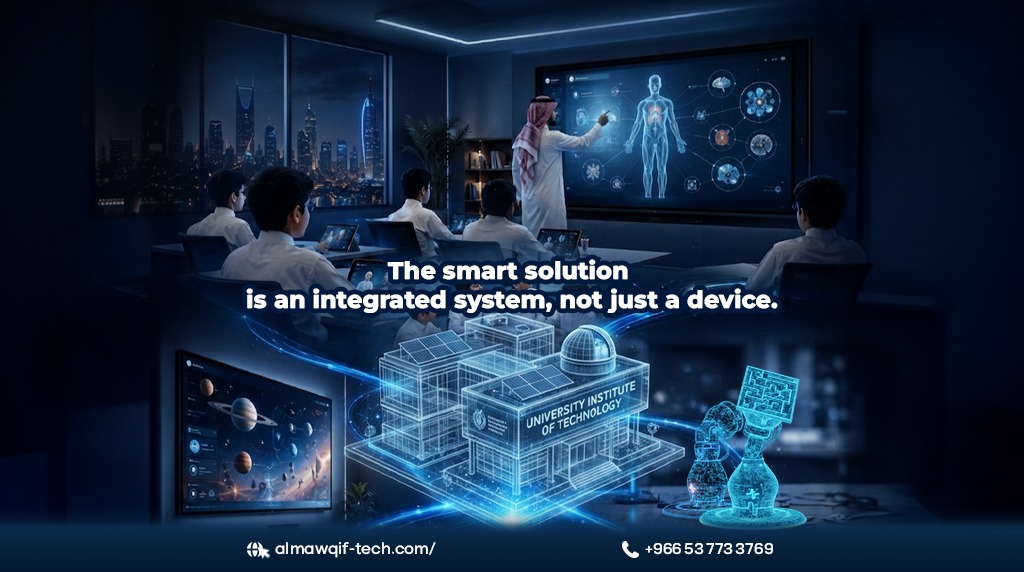
Saudi Arabia’s education sector is experiencing rapid transformation driven by innovation, digital advancement, and a growing focus on preparing students for future skills. At the center of this transformation, smart educational solutions are becoming essential tools for improving learning environments and modernizing classrooms.
Traditional teaching methods alone are no longer enough to meet the needs of today’s learners. Schools are increasingly looking for technologies that improve engagement, support interactive learning, and help students build creativity, critical thinking, and technical skills. This is where interactive educational displays and educational robots play a vital role as key components of modern smart classrooms.
But how do these technologies contribute to the future of education in Saudi Arabia? And what value do they bring to schools, teachers, and students?
What Are Smart Educational Solutions?
Smart educational solutions refer to digital tools and technologies designed to improve teaching and learning experiences by creating more interactive, flexible, and efficient educational environments.
These solutions often include:
1- Interactive educational displays 2- Educational robots 3- Learning management systems 4- Digital learning tools 5- Smart classroom technologies
Among these technologies, interactive displays and educational robotics stand out because of their direct impact on classroom engagement, practical learning, and transforming theoretical knowledge into interactive educational experiences.
Across Saudi Arabia, schools and educational institutions are increasingly adopting smart educational solutions to support digital transformation and modern learning initiatives.
Interactive Displays: A Core Element of Smart Classrooms
When discussing smart classrooms, the role of interactive educational displays cannot be overlooked.
Unlike traditional presentation tools, interactive displays provide teachers and students with a more dynamic and collaborative learning experience.
How Do Interactive Displays Improve Education?
Increased Student Engagement
One of the most common challenges in traditional education is limited classroom interaction. With interactive displays, students become active participants through collaborative activities, digital annotations, real-time interaction, and multimedia learning experiences.
Enhanced Teaching and Content Delivery
Interactive educational displays allow teachers to present content in a clearer, more organized, and visually engaging format using presentations, videos, diagrams, educational applications, and digital resources.
Supporting Visual and Interactive Learning
Many students respond more effectively to visual and practical learning approaches. Interactive displays help improve understanding and retention, especially in subjects that require demonstrations, visual explanations, and collaborative problem-solving.
Integration with Digital Learning Environments
Modern interactive educational displays can integrate with educational software, cloud platforms, and digital classroom tools, making them a critical component of comprehensive smart educational solutions.
Why Are Interactive Displays Important for Schools in Saudi Arabia?
Schools across Saudi Arabia are investing in educational technologies that align with modern teaching practices and national digital transformation goals.
Interactive displays have become increasingly valuable because they support:
- Smart classroom development
- Interactive and collaborative learning
- Improved teaching efficiency
- Flexible lesson delivery
- Digital education initiatives
As educational institutions continue modernizing their learning environments, interactive educational displays are becoming a strategic investment for schools aiming to enhance teaching quality and student participation.
Educational Robots: Practical Learning for Future Skills
Alongside interactive displays, educational robots are playing an increasingly important role in supporting modern education.
Educational robotics is no longer viewed as a supplementary classroom activity. Instead, it has become an effective learning tool for teaching programming, logical thinking, problem-solving, STEM concepts, and innovation.
What Are Educational Robots?
Educational robots are learning tools designed to help students understand technical and scientific concepts through hands-on activities and practical experimentation.
They are commonly used in:
- Coding and programming education
- Computer science learning
- STEM education
- Engineering and technology activities
- Critical thinking development
As a result, educators frequently explore different types of educational robots and the most popular educational robots suitable for classroom implementation.
Benefits of Educational Robots in Schools
Developing Logical Thinking and Problem-Solving
Working with educational robots encourages students to analyze challenges, test solutions, and refine their thinking processes.
Practical Coding Education
Hands-on learning is one of the most effective educational approaches. Educational robots allow students to learn programming concepts through experimentation rather than relying solely on theory.
Encouraging Innovation and Creativity
Through robot design, programming, and project-based activities, students develop creativity, innovation, and technical confidence.
Building 21st Century Skills
Educational robotics supports the development of essential future-ready skills, including:
- Critical thinking
- Collaboration
- Creativity
- Problem-solving
- Technical literacy
Interactive Displays and Educational Robots: A Powerful Educational Combination
Although each technology provides independent value, their full potential emerges when interactive educational displays and educational robots are integrated within a unified smart educational solutions strategy.
For example, teachers can use interactive displays to explain coding concepts, present interactive lessons, and demonstrate workflows before transitioning into practical robotics activities.
This integration supports:
- More interactive learning experiences
- Project-based education
- Practical application of theoretical concepts
- Stronger student engagement
- Smart classroom objectives
Because of these benefits, schools seeking advanced learning environments increasingly combine interactive displays with educational robotics.
How Can Schools Choose the Right Smart Educational Solutions?
Selecting the right smart educational solutions involves more than purchasing devices. Schools should evaluate solutions based on educational goals, classroom needs, and long-term digital strategies.
Key considerations include:
Ease of Use
Educational technologies should be accessible and easy for both teachers and students to use.
Alignment with Educational Goals
Solutions should support institutional objectives and curriculum requirements.
Scalability and Future Readiness
Schools benefit from technologies that can adapt to future educational developments.
Training and Technical Support
Successful implementation depends on proper onboarding, teacher training, and ongoing technical assistance.
The Future of Smart Educational Solutions in Saudi Arabia
The future of education in Saudi Arabia is increasingly connected to innovation, digital learning, and technology-driven classrooms.
As educational institutions continue evolving, interactive educational displays and educational robots are expected to remain essential components of smart educational solutions.
Their ability to enhance engagement, strengthen practical learning, and support smart classroom environments makes them valuable tools for preparing students for tomorrow’s challenges.
The question is no longer whether schools should adopt modern educational technologies, but how they can implement the most effective solutions to achieve better educational outcomes.
Frequently Asked Questions About Smart Educational Solutions
What are smart educational solutions?
Smart educational solutions are digital technologies designed to improve learning experiences, including interactive displays, educational robots, and smart classroom tools.
What are the benefits of interactive educational displays?
Interactive displays improve classroom engagement, support visual learning, enhance lesson delivery, and strengthen collaboration.
Why are educational robots important in schools?
Educational robots help students learn programming, develop logical thinking, and improve problem-solving and innovation skills.
What is a smart classroom?
A smart classroom uses digital technologies and interactive tools to create a more engaging, connected, and effective learning environment.
Transform Your Learning Environment with Smart Educational Solutions
If your educational institution is looking for interactive educational displays or educational robots to build more effective smart classrooms, choosing the right solution is an important step toward improving learning outcomes.
Explore Al-Mawqif Al-Taqni’s educational solutions designed to support schools and educational institutions across Saudi Arabia.
Request a Quote:
https://almawqif-tech.com/get-a-quote/